
Travel Health: Europe without stress
A trip to Europe can add energy, but it can just as easily take it away. The change in climate, long drives, different food and pace of sightseeing often end in infection, stomach aches or exhaustion. The good news is that most problems can be avoided with simple habits and good preparation.
In this guide you will find 10 practical tips on how to take care of health on the go at Europe. This ways tested in real-life conditions: on a plane, train, hotel and during a day's sightseeing. Some of them will take you five minutes before you leave, and can save you several days of on-site treatment.
Prepare your body before you leave
The best health decisions are made before you leave home. If you have chronic diseases, start with a check-up and make sure your medication dosages are up to date. Also make sure you have a supply of medication for a few extra days in case of delays. Many people skip this part of preparation and then look for an equivalent drug in a foreign country.
It's also worth checking the itinerary for stress: very early flights, overnight drives and intensive sightseeing day after day increase the risk of infection. A simple „strong day - lighter day” plan can be helpful. If you are planning additional paperwork, see also the guide on visa requirements, to avoid last-minute stress.
Way 1: Do a „mini health check”
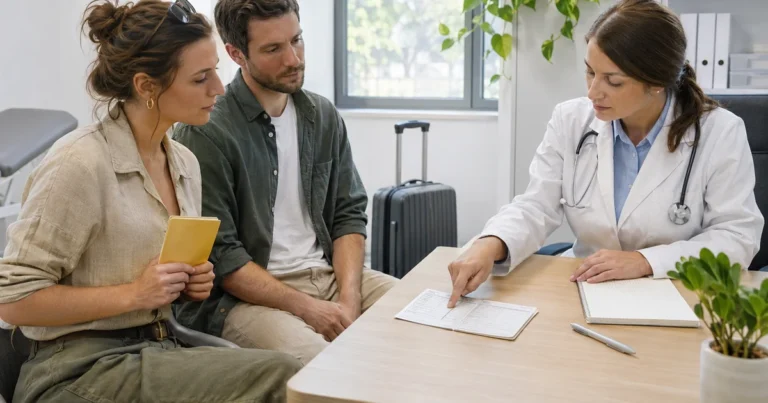
If you have allergies, asthma, hypertension or diabetes, schedule a brief consultation and write down recommendations. Write down the names of the active ingredients of the drugs in English. This makes it easier to buy a substitute. In addition, keep a list of medications with you on your phone and on a piece of paper.
Way 2: Match your pace and sleep
Sleep deprivation lowers immunity faster than a change in weather. 2-3 days before your trip, try to shift your bedtime to your travel schedule. Use earplugs and a blindfold on the plane and train. A rule of thumb also works well: a short nap upon arrival, followed by a light walk.
Tip
If you tend to get infections, plan a „buffer” day without attractions. The body will catch up on sleep and better withstand the change in environment.
Food, water and hygiene on site
Sanitary standards are usually high in Europe, but stomach problems are common anyway. The reason is simple: dietary changes, irregular meals and „accidental” snacking on the run. A good practice is to plan one sure meal a day in a quiet place, instead of snacking all day.
Equally important is water. Dehydration exacerbates headaches, weakness and concentration problems. Carry a small bottle when touring and drink regularly. If you want to combine health and safety, also check out the guide on pre-departure vaccinations.
Way 3: Eat simply and regularly
For the first 1-2 days, choose simple dishes and avoid mixing many heavy dishes. When you try local cuisine, test the novelties gradually. This reduces the risk of stomach discomfort. Always carry a light snack with you to avoid leading to „wolf hunger.”.
Way 4: Drink water, limit alcohol
Alcohol dehydrates and impairs sleep quality. If you plan a glass of wine with dinner, add a „glass of water before and after” rule. Replenish electrolytes on warm days. It's a small thing, but in practice it quickly improves your well-being when traveling in Europe.
Way 5: Hand hygiene and small habits.
Most „souvenirs” from travel are brought back from doorknobs, handrails and screens. Wash your hands more often than usual, and when you don't have access to water, use gel. Don't touch your face on public transportation. In a hotel, wipe down the remote control and door handle with an antibacterial wipe if in doubt.
10 ways in one list
If you prefer a quick summary, here are 10 specific ways. You can treat the list like a pre-trip checklist. Just implement a few points to realistically improve your travel health.
First aid kit and insurance: plan B
Even the best habits do not give 100% protection. That's why it's a good idea to have a backup plan. Start with a small first aid kit: painkillers and antipyretics, something for diarrhea, plasters, disinfectant and basic dressings. If you have your medications, keep them in their original containers, preferably in your carry-on luggage.
The second part of the plan is insurance. In many medical situations in Europe, time and access to an appointment are important. A well-chosen policy helps arrange help and also limits the cost of treatment. In the context of trips to the Schengen zone, the section on Schengen health insurance FAQ and a guide about EU security coverage.
Way 6: Travel first aid kit „minimum”
Pack a first-aid kit so that it can fit in a cosmetic bag. The most important things are the things that save the day: painkillers, electrolytes, thermometer, plasters and disinfectant gel. Also add medications you already know and tolerate. Don't test a new preparation for the first time on a trip.
Method 7: Protect your skin and respiratory tract
Flight and air conditioning dry out the mucous membranes. This makes infections easier. Drink water, moisturize your nose, and take a short walk in the fresh air upon arrival. In cities with heavy smog, consider a mask on high pollution days. Protect your skin with SPF sunscreen, even in cloudy weather.
Tip
Write down in your phone the local address of the accommodation and the nearest hospital. Under stress, it's easy to forget even the street name.
Way 8: Movement en route and after the tour
Sitting for long periods tires muscles and worsens circulation. Every 60-90 minutes, get up, walk around and stretch your calves. At the hotel after an intense day, do 5 minutes of simple exercises: bends, shoulder circles, hip stretches. This works better than „resting” on the couch.
Way 9: Health security in the city
Traveling health also means avoiding injuries. Wear comfortable shoes, especially on cobblestone streets. Watch out for scooters and bicycles in city centers. If you are sightseeing in the heat, plan breaks in the shade. In crowded places, keep essentials in an inside pocket to avoid stressing about theft.
Way 10: Insurance as part of the plan
Insurance is no substitute for hygiene and sleep, but it can sometimes be crucial when you need a doctor or medical transportation. Formal requirements are also important for many travelers going to the Schengen zone. If you want to compare your options, this article will be helpful TUZ vs Europ Assistance, which shows what to look out for.
Summary: 10 ways to a healthy Europe
Health when traveling in Europe depends mainly on small decisions: sleep, hydration, hygiene and a reasonable pace. Add to this a simple first aid kit and a contingency plan, and the risk of problems drops noticeably. The most important thing is not to wait for the first symptoms, but to act right away.
If you are completing preparations for your trip, treat the above ways as a checklist. And when you want to wrap up the topic of paperwork and protection, check out the guide section at schengeninsurance.co.uk and select solutions tailored to your journey.




 Polish
 English
 Russian
 Turkish
 Indonesian
 Ukrainian
 Vietnamese
 Spanish